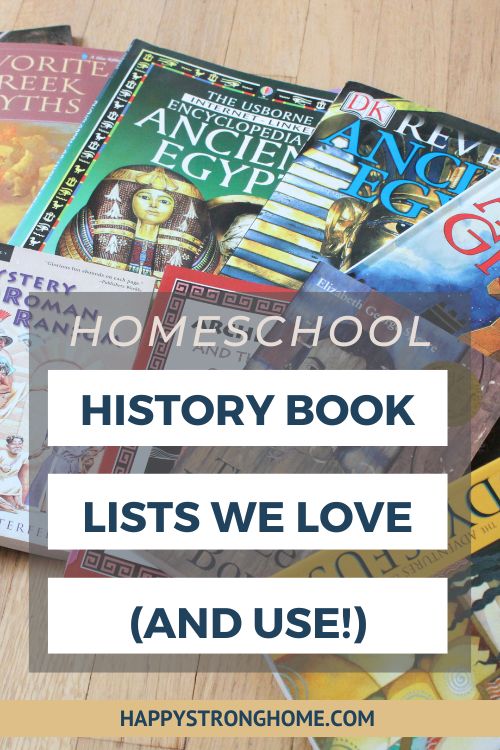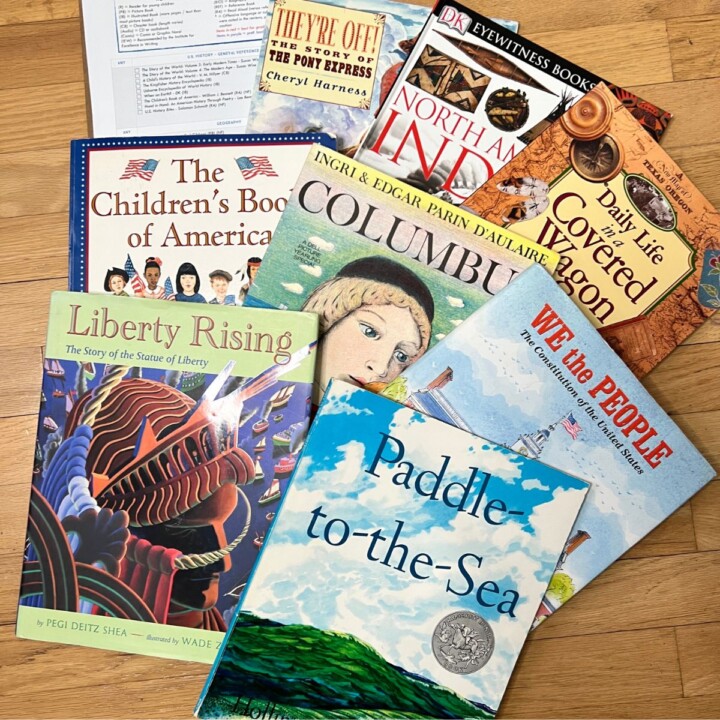
Of all the thousands and thousands of books to choose from, how does a homeschool mom narrow it down to a simple list that works with the curriculum and keeps her children engaged? And then, how to do it, year after year? If you are like me, putting together an engaging homeschool history book list every year can be daunting (and fun!). After several years of research and exploration, I have finally figured out a method and strategy to create great lists that are fun and engaging.
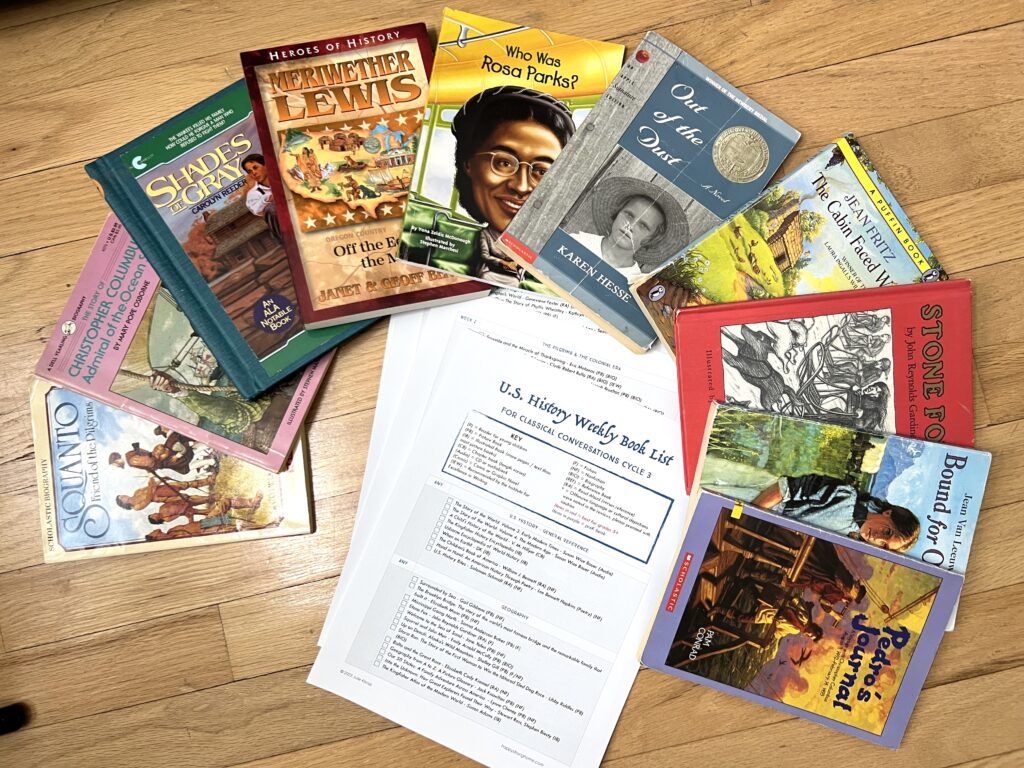
Over the years, as we participated in the Classical Conversations Foundations cycles, I curated our history book lists and posted them on my website. Each list reflects our family's preference for living books, meaningful stories, and titles that support our values while still offering variety across fiction, non-fiction, biographies, and reference books.
If you want to skip straight to the book lists, you'll find them linked below this paragraph and at the end of the post. Otherwise, keep reading for a bit of context on how these lists came together, how we use them in our homeschool, and the guiding principles I keep in mind when deciding which books make the cut-and which ones don't. As a side note, these lists are dynamic, and can and do change over time as we move through our homeschool routines. These homeschool history book lists are especially helpful for families with elementary and middle grade students who want meaningful, literature-rich history resources.
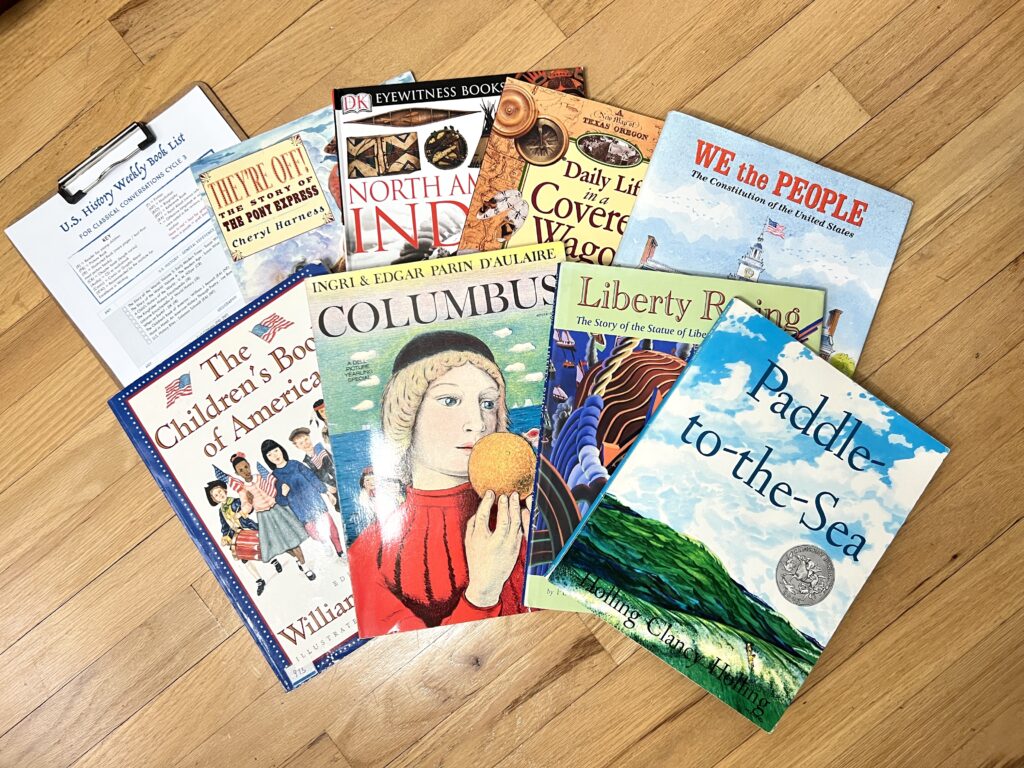
How we use our Historical Book Lists in our Homeschool
We adhere only loosely to the CC weeks as we read, because some weeks have an abundance of books in their topic and others are slim pickings. My usual method is to put the books in chronological order. I usually select about twenty "must-read" books for our morning time read-aloud titles. Sometimes I shift a few titles to Bedtime reading status, so we can move through the list a bit faster.
Some books (especially non-fiction with topical sections) might not get fully read, or they might get read out of order. Or they might be read a few weeks after we study the topic in CC, which means you are welcome to use these lists as best fits your homeschool routine.
If a book is just not grasping us (usually because it is too advanced to hold my younger readers' attention), I feel free to "abandon" or "postpone" the title to another time. Please do not feel tied to any book - not every book will be a home run for different families or kids!
Age-appropriate History Books
When I started putting together these lists my boys were in the older elementary years and just starting into middle school level work. I wanted to move away from the simple picture books, and into some more in-depth reading. I still included some text heavy picture books, but these lists do start to show our transition away from that. Generally, the picture books included are for 4-8 years olds. The fiction and non-fiction selections are readable by ages 6-12 (use higher-level / longer books as read-alouds for the youngers).
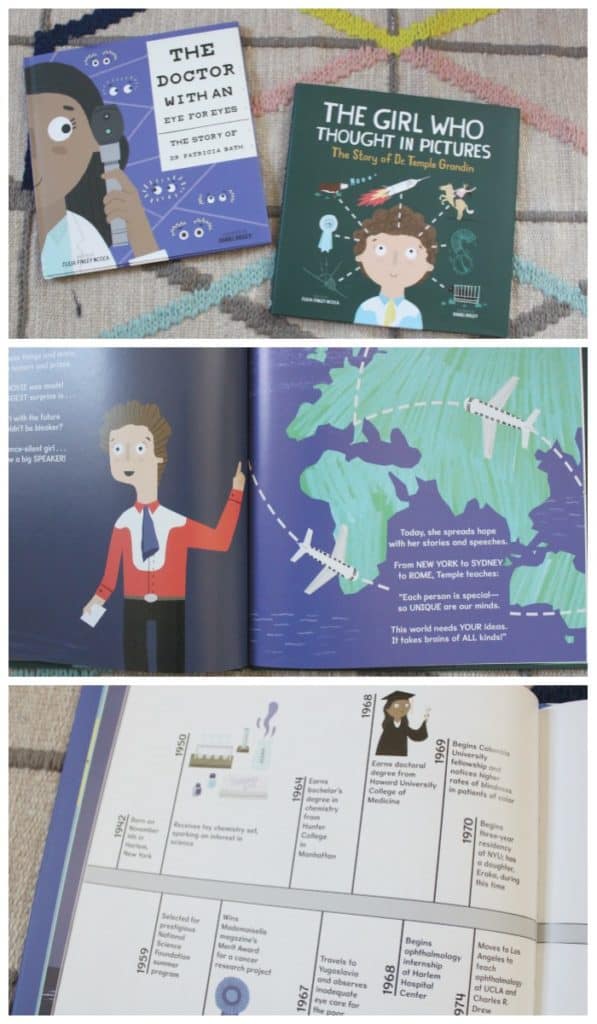
Christian Values
Not every book on the list is religious. In fact, many are secular, but I chose books that hold with our values for content and language. (If you spot something I overlooked, please make me aware - some of these books I read quite some time ago!).
There may be a small number of books where readers noted objectionable elements (language, negative cultural depictions, or violence), however, also noted the book had value in other ways (historically accurate, one-of-a-kind, or otherwise). Sometimes, a book written during a particular time period can give us good insight about the past, and if presented carefully to older students, provide an opportunity to foster dialectic discussions about the way people have been viewed over time. So I kept a few of these books on the list, but I marked them with an * asterisk. Remember, history is messy, and people aren't perfect. But when coupled with conversation, there is much we can learn from them.
While I highly recommend parents preview EVERY book, these * books should definitely be previewed. I suggest looking them up on Amazon, because you will see what people have objected to, and why I kept them on the list anyway.
Living Books
I was going to say "readability and quality" here, but the Charlotte Mason concept of Living Books is a better statement. A Living Book will have these qualities (adapted from Simply Charlotte Mason):
- Convey the author's passion in conversational style - often narrative (story) based.
- Construct well-told stories using strong word choices and well-developed characters, plot, or organization.
- Create a lasting impression - whether because it sparks the imagination or inspires the heart - a living book will draw the listeners in and create desire to discuss the book and leave a lasting impression.
- Contain character-building ideas - the reader/listener will be shaped and changed by the ideas contained in the book. A book of facts cannot do this work.
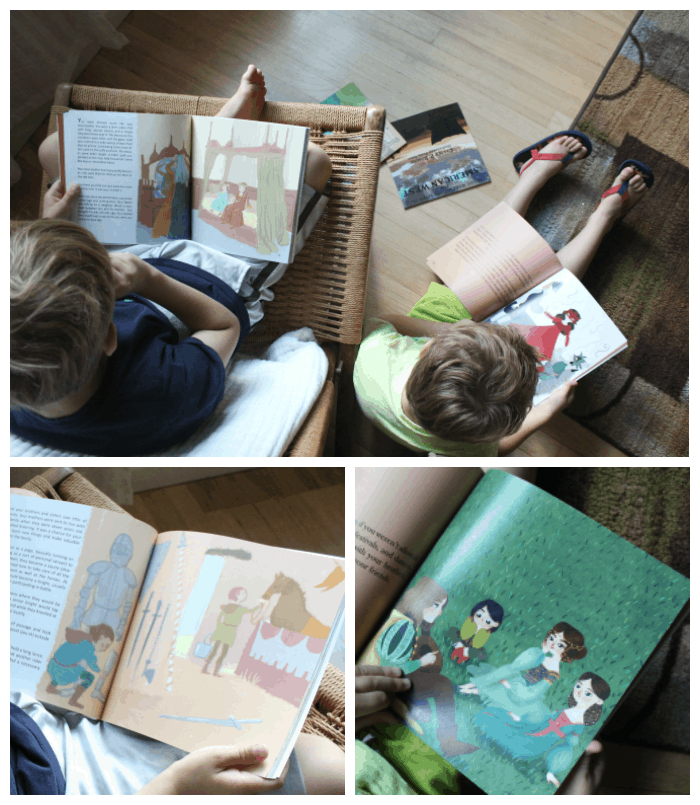
Variety
I attempted to include a range of fiction, non-fiction, biography, picture books, science, math, history, geography, poetry, and more in our homeschool history book lists. Of course, it leans heavily on fiction, but I did my best! Because I aligned this with our Classical Conversations studies, there are a few themes that have few choices for living books (see above), and so there are not many listed.
I have often overwhelmed myself with a book list that is not do-able in a year's study. I, more than anyone, want to #readallthebooks, but I am trying to curate a year of literature study for my kids, so I had to limit myself to what can possibly be read in ten months' time. Therefore, if I found a topic/week had too many titles, or if there were titles that covered similar ground, I made some hard choices.
I tried to include choices for families with kids at different stages. For example, you might see two biographies of someone like Corrie ten Boom - one in picture book and the other in chapter book format. Pick the one that best fits your children. Or, if you like, read both! It's up to you.
Time Period
Obviously, all the books have to do with the time period of each list. However, many books I came across in my research merely took place in a historical location, but not DURING the actual time period we are studying. With a very rare exception of the missionary biographies, and a few Who Was? biographies (because in Classical Conversations we touch on the Imperialism era), I tried to keep the titles here to people and events DURING each time period.
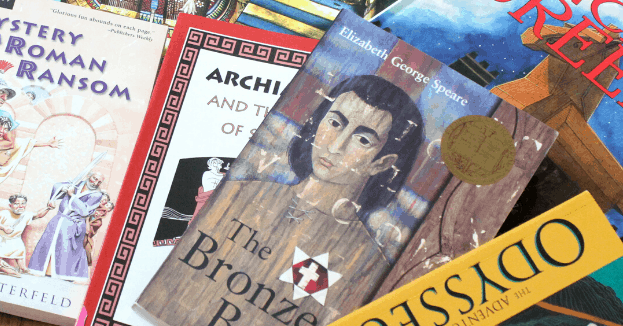
Illustrated Reference Books
There are MANY illustrated reference books available for history learning. I have listed a few key books that would be handy to have all year round. I've listed a few where the book list was "thin." But otherwise, I have narrowed the field on those, because those kinds of books are better for browsing and report writing than for read-alouds. Feel free to add additional reference books in as you see fit. These publishers offer illustrated reference books with consistent quality:
- DK
- Kingfisher
- Usborne (now, Paper Pie)
- We the People
- Cornerstones of Freedom
- True Books
- Witness to History
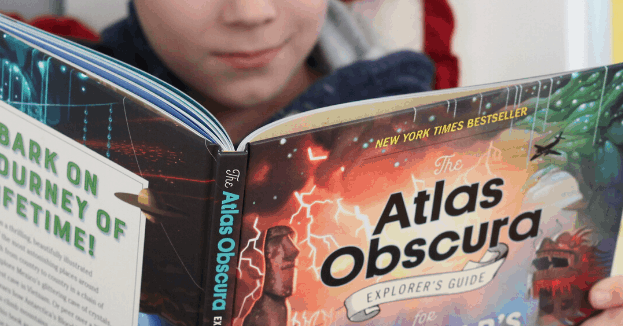
Series Books
There truly is such a thing as "too many books, too little time!" Series books provide ample reading opportunities for this time period. I love series books, because they support independent readers and can be reliable book grabs at the library.
Because of the overwhelming quantity of materials, I limited the inclusion of series books on this the book lists unless the book choices for the topic were thin. You might want to consider adding some of these back in if your family loves a particular series:
- Magic Tree House American series
- Who Was? America Boxed Set
- You Wouldn't Want to Be… series
- Christian Heroes Then and Now (or Christian Heroes for Young Readers) - the YWAM books
- Hands-on History
- The Sowers Series
- You Choose History
- Childhood of Famous Americans
- Landmark Books
Get your free Homeschool History Book Lists pdf here:
Or, check out our handy Amazon buying guide here:
Ancient History Booklist on Amazon
Medieval to Modern Booklist on Amazon
U.S. History Booklist on Amazon
As we continue our studies and I find additional books for the lists, they will most likely get added to the Amazon buying guide first.
History Book Lists FAQ
The best homeschool history book lists include a thoughtful mix of living books, biographies, fiction, and non-fiction that make history meaningful and memorable. These lists are especially helpful for families who want strong read-aloud options, engaging independent reading, and flexibility across different ages.
Yes. These book lists were created while we were using Classical Conversations, but they don't have to fit any specific curriculum. The books are organized by historical time period, making them easy to use with many homeschool styles, schedules, and history programs.
These homeschool history book lists work well for families with children roughly ages 4-12. Picture books are nice for younger students, while chapter books and non-fiction titles are great for upper elementary readers or for family read-aloud time.