Help your child grow as a writer by being a strong reader. A guide for elementary and middle school readers.
How does your child talk about books? Do they love or relate to a specific character? Is it the thrill of the mystery or adventure that pulls them in? Listening to your child talk about their favorite stories can be rewarding. Yet most students don't talk about their own writing the same way. What is the difference?
When I was a teacher, I taught writing and another teacher taught reading. Due to this, I learned that education frequently teaches these as two separate subjects. When that happens, both students and educators miss the following connections: 1. Reading precedes and supports writing growth. And 2. If reading is shallow, writing will lack depth.
Strong writers grow from being strong readers.

What Reading Actually Builds in Your Writer
When I taught writing in the classroom, I always used books to model the components of writing. (I used picture books for the sake of time, but longer novels and nonfiction can also be used). Take a look at all the ways reading prepares students to be writers:
- Vocabulary
- Sentence Structure
- Complex ideas
- Organization/Flow
- Argumentation
- Persuasion
- Voice/Tone
Parent tip: Notice how your child talks about books. Ask your child to notice one element of good writing in a book (character or setting, dialogue or word choice). Simple discussions like this set the stage for stronger writing later.
We want kids to love reading, not just for pure entertainment but to be instructed in skills and virtues through their reading.
The Shift in the Middle Years
In preschool and early elementary, books are foundational for core knowledge, vocabulary, learning sentence structures, rhyme, and story sequencing. As kids grow into the middle years, they transition from learning to read (decoding) to reading to think (understanding).
Starting around age nine (4th or 5th grade), a child develops the ability to analyze, question, and debate what they read. Kids are moving from entertaining and informative reading into instructive and ideas-based reading.
Gently guide kids to support their emotional reaction to books. Too often, kids get stuck in the "I didn't like that book, so it's dumb" mode. Find out what they didn't like about the book. Were the characters unbelievable? Was the word choice poor? Did the author fail to support their ideas?
You can use the same strategy in reverse when they do like a book. What pulled them in? What makes them want to read it again or recommend it to a friend?
Parent Tip: Model thinking aloud: “I wonder why the character did that? Could the author have said it differently?” Ask your child what they think. Now your conversation teaches analysis and begins to connect reading and writing.
Narration in the younger years (simple retelling facts in order) moves into more mature summarization. Students should be selecting interesting and important ideas (thank you, IEW) from what they've read.
Discussion moves reading from entertaining to instructive. Students notice elements of writing (word choice, organization, message). Summarization becomes a precursor to writing outlines.
Reading Habits That Shape Strong Writers
Read Broadly
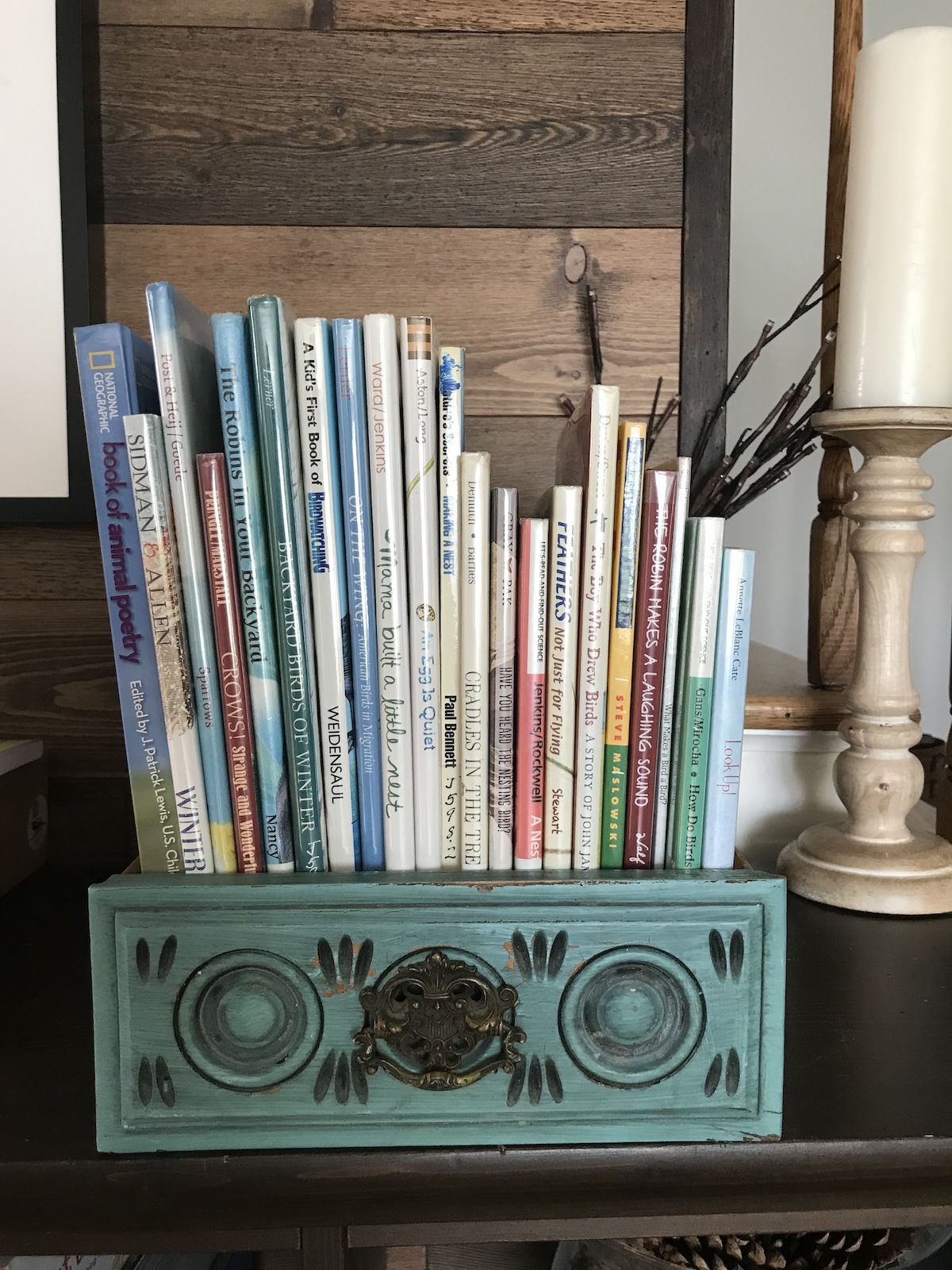
Because reading depth grows writing depth, students should read widely. Read fiction and nonfiction. (Make a short list of genres, authors, and time periods for your child to try this month). We have also put together several handy reading guides here.
Tackle Challenging Texts
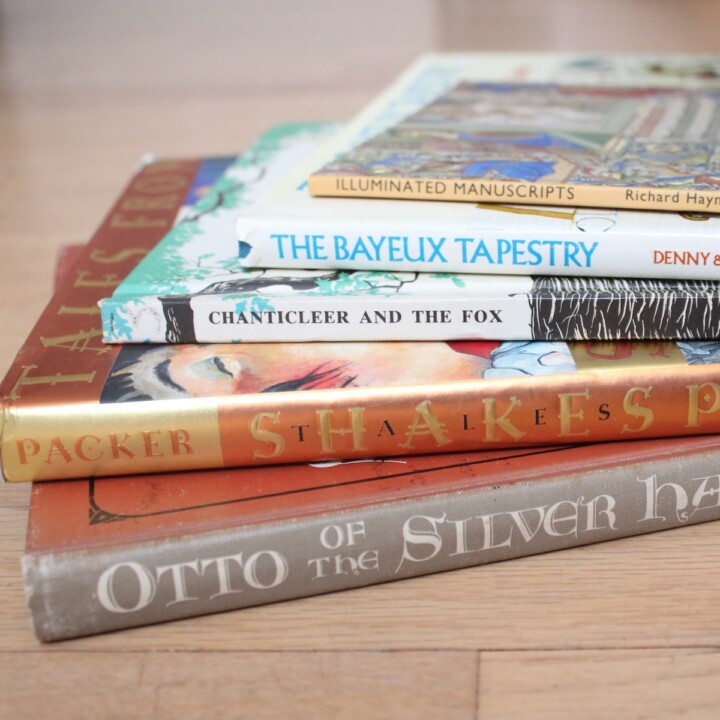
Encourage them to read books that are "too hard" for them. By this I do not mean content/topics that are too mature or sensitive. Instead, I mean books with higher level vocabulary, more complex sentence structure, or detailed plots. This can include nonfiction with dense texts or classic fiction. Nonfiction reading is especially powerful for developing writers because it models how authors organize information, support ideas with evidence, and build logical arguments. Classical texts can increase vocabulary and introduce students to complex texts.
Re-read strong passages
Select passages in advance to read aloud. Read the same passage several times over several days/lessons. Notice sentence structure or word choice to support writing skills.
Discuss often (2-3x weekly).
Set aside 5-10 minutes to hold a conversation about their reading before they begin to write. Retelling or thinking aloud activates the writer's brain to begin the writing process.
Build habits of reading that expose your child to rich vocabulary, complex ideas, and a variety of writing styles they can immediately draw on when writing their own paragraphs.

How Weak Reading Shows Up in Writing
If strong writers are built from strong readers, the opposite is also true. Weak reading habits lead to weak writing.
Parent tip: Look at your student’s writing to find any of these weak writing patterns:
- Limited vocabulary (using the same or vague words)
- Short sentences, or same sentence structure
- Shallow ideas ("My dog is nice.")
- Weak transitions ("And then,… and then,… and then…")
- Lack of structure (ideas jump around or are incomplete)
If you notice these patterns, connect back to their reading habits to see where you can give them more pre-writing support.
Practical Ways to Become Strong Readers who Write
Many of the activities above - discussion, thinking aloud, retelling, and imitation - support strong writing. Here's some practical how-to's for your weekly planning:
Practice daily independent reading
Focus on quality over volume. Ten DogMan books might be funny but won't create writing gains. However a quality Aesop's Fable or Greek myth each day provides rich content to draw from. Read a high quality book each day for 10-15 minutes. Ask your child to retell or summarize a key idea.
Read-aloud even in middle grades
Writers need to hear vocabulary pronunciation and sentence structure cadences. Take turns reading aloud with your child. Pause to discuss tricky words or sentence structure.
Keep a commonplace notebook
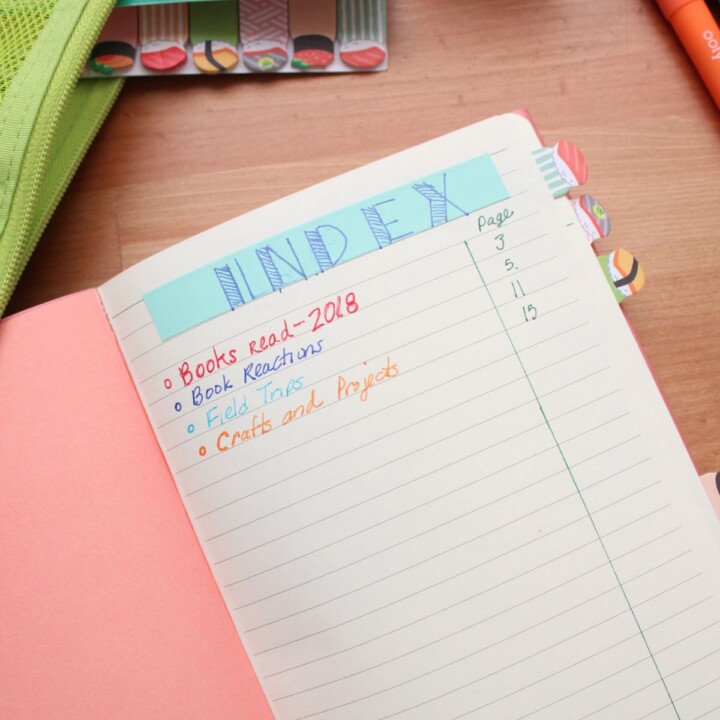
Have your child make a book log, jot down one idea or quote, or a new vocab word from each session.
Think aloud as you read
Model how you notice word choice, sentence flow, or author ideas. Understanding that reading builds strong writers helps you see why your child might struggle with writing. Reading gives us the resources to help shore up weak writing areas.
Create opportunities for comprehension
Don't take for granted that because your child can read the text, that they can understand the text. Ask questions. The basics are a good place to start: Who? What? Where? When? Why? And How? But also include questions of What if? What's next? Who else? Also double check that they understand the vocabulary. Ask if there are any words, sentences or concepts they didn't understand. This can be done by sentence, paragraph, or chapter.
What's Next?
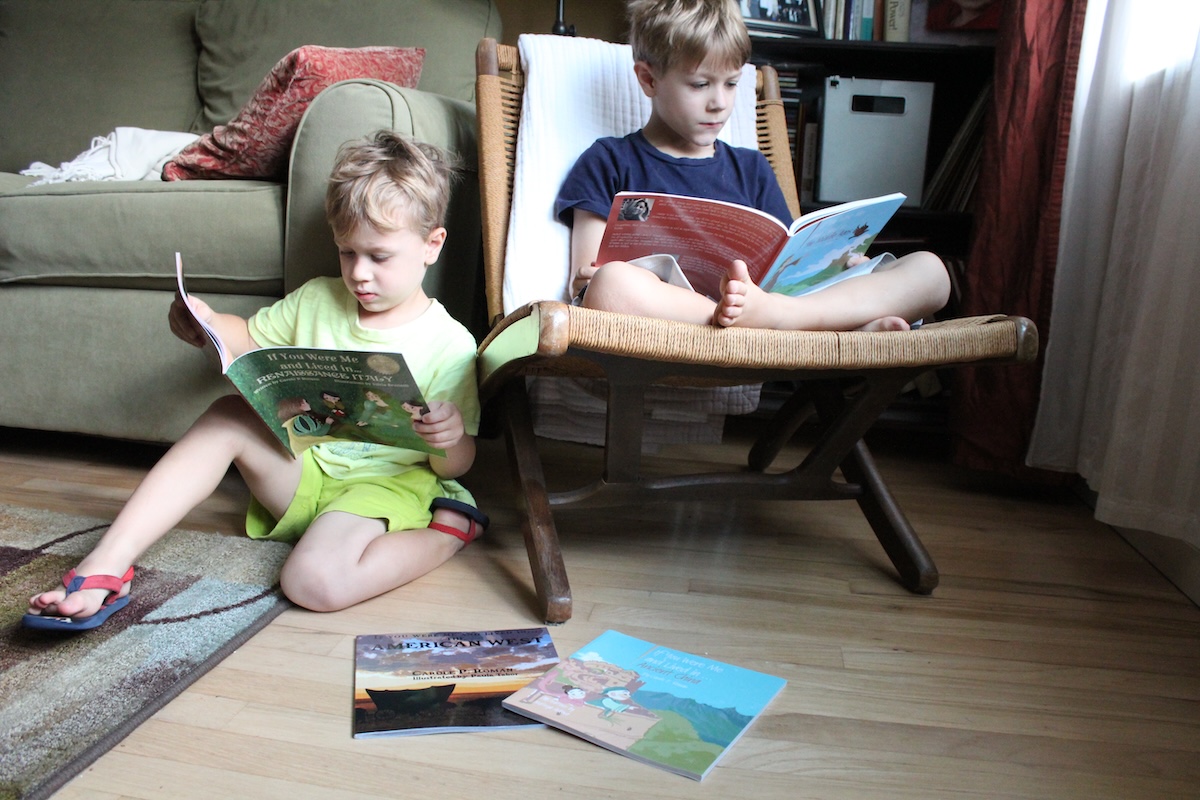
Strong writing doesn't begin when your child picks up a pencil. It begins long before that, in the quiet moments spent reading, thinking, and talking about ideas. Don't worry about getting overwhelmed. Start small and build up from there.
When you build consistent reading habits through living books, conversations, and brainstorming, you are giving your child the tools they need to transform their strong reading skills into strong writing skills.
Check out our Book Lists Here!
Get more information on building strong writers Here!
Frequently Asked Questions About Strong Readers and Writing Skills
Reading improves writing by giving students models of how language works. Through books, students encounter new vocabulary, complex sentences, and well-organized ideas. Over time, students internalize these patterns of language. When children regularly read high-quality texts and discuss what they read, they begin to apply those patterns to their own writing.
In the middle grades, reading skills shift from simple decoding to deeper comprehension. Students begin analyzing characters, questioning ideas, summarizing information, and discussing what they read. These middle grade reading skills help students develop the critical thinking and organization needed for stronger writing.
Homeschool reading skills grow through consistent reading, thoughtful discussion, and exposure to a wide range of books. Parents can support reading development by encouraging students to read both fiction and nonfiction, talk about what they read, and notice how authors use words and structure to communicate ideas.