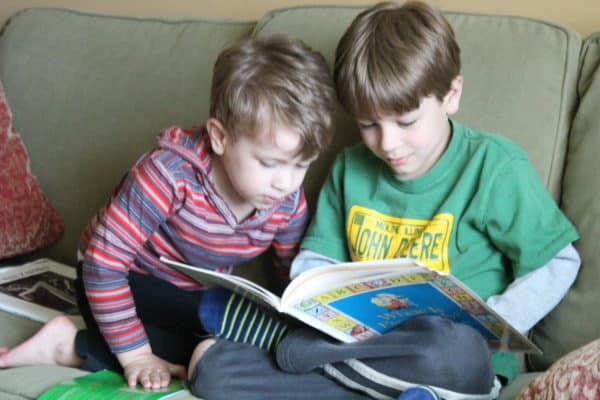
Reading has been such a huge part of my life, I worried my boys wouldn't love reading as much as I do. I also worried about what I would do if they struggled with learning to read, since it as my job to teach them! It's heartbreaking when our children struggle with reading, or heaven forbid, don't like to read! Parenting a struggling reader can stir up a mix of worry, frustration, and doubt. If that sounds familiar, keep reading for ways to support your child and understand what might be causing the struggle.
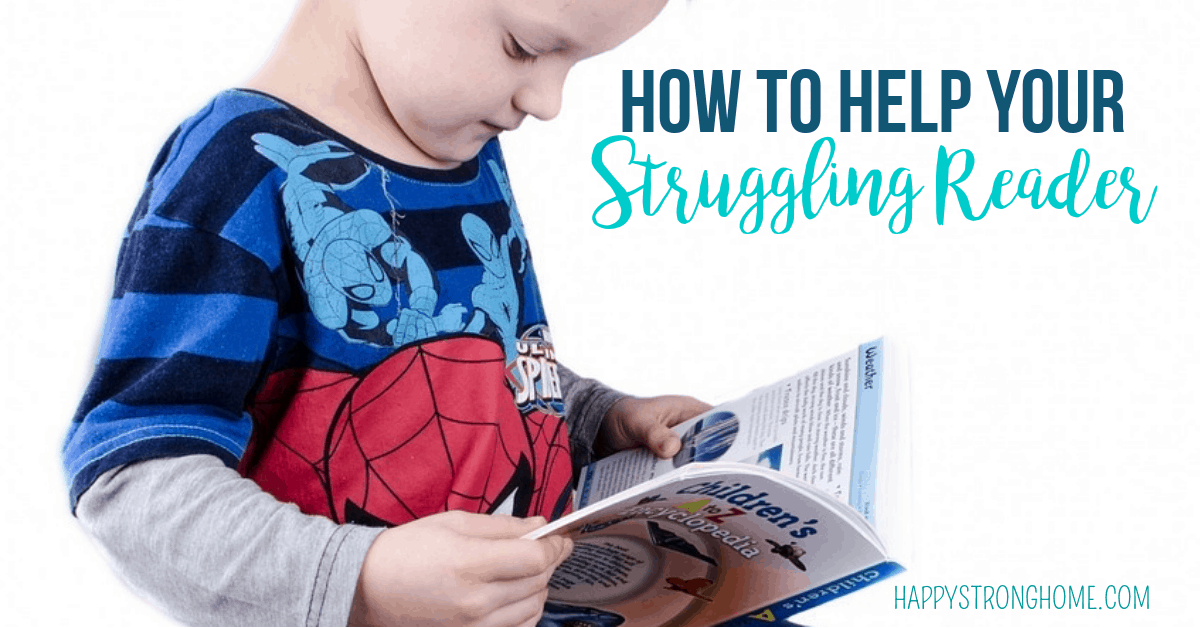
What does a struggling reader look like?
There's a wide range of ages at which children learn to read. Anywhere from 4-8 is fairly normal. In addition, some children are natural readers, while others need more time and input before they catch on. Comparing one child to another when it comes to reading and stages isn't fair. They all progress at their own pace. Age and progress can be considered when figuring out if your child is struggling, but there are other signs as well, that your child may need more intervention. Have you noticed they:
- Have trouble pronouncing words or confusing letter sounds
- Fail to recognize a word they should know (know it one day, don't know it the next)
- Lack focus while reading
- Don't understand what was just read (Low comprehension)
- Pause frequently while reading
- Lack expression when reading
- Avoid reading or exhibit signs of anxiety related to reading
- Struggle with spelling, writing, or copying (closely tied to reading abilities!)
- Act out whenever reading comes up. Some kids use poor or out of control behavior to distract from their reading struggles.
If you see these signs, it's possible there are underlying causes at work beyond simply taking a long time to learn to read.
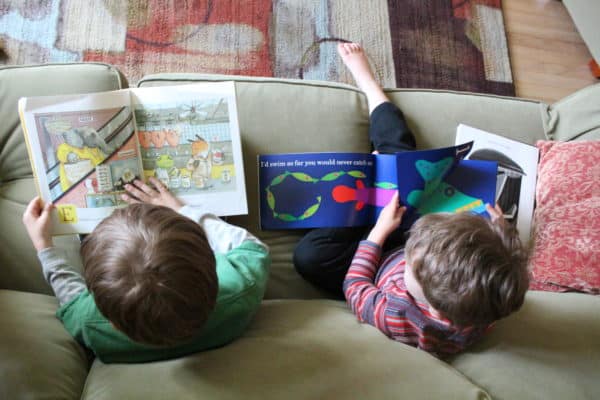
Ways to Help your Struggling Reader
Despite our best efforts, many medical or physical factors can play a role in hindering a child's ability to read. Here are a few things you can look into to help your struggling reader.
- Get their vision checked. It could be that your child has a vision problem impairing their ability to differentiate between the various letter shapes. Some letters might look like others. Or the shape may be so indistinct that they can't tell them apart. A vision test might show a need for an eyeglass prescription, or vision therapy, which could set your child back on the road to successful reading!
- Get their hearing checked. Similarly, hearing impairments can break down your child's ability to hear the phonics sounds. While they can still learn to read, of course, this might make the process more difficult as they struggle to understand how the letter represent certain sounds.
- Ask your doctor or school evaluator to check for dyslexia. Dyslexia is a lifelong condition that can impede reading accuracy and fluency. More than simply mixing up b's and d's, dyslexia affects how the brain processes input. Children with dyslexia often have a hard time breaking down words into pieces, helping them figure out how words work. They also generally struggle with writing and spelling. Although there's no medical cure for dyslexia, there are ways to support a dyslexic student's reading growth through specific reading interventions.
- Visit a speech pathologist. Speech and language delays can also delay the reading process.
- Discuss attention deficit hyperactivity disorder (ADHD) with your doctor. Reading requires attention both to the sounds and the written abstract symbols of letters. ADHD generally affects working memory and executive functioning skills. When kids are required to both remember and pay attention, reading can become extra difficult. Multi-sensory activities can have a huge impact on a child's ability to retain information if they struggle with ADHD.
- Unknown Learning Disability. Struggling with reading can also be a sign that your child is trying to work through an unknown learning disability that can impact reading, as well as other educational subjects. Children can make profound progress through early diagnosis and intervention. Check with your pediatrician on ways you can work through these challenges.
- Address secondary impact of reading difficulties. Your child may soon recognize they are behind their peers. Embarrassment, anxiety, inability to understand conversations, difficulty answering questions, and even depression over their slower pace can present. A proactive approach and a positive environment can support children, but you may want to look at supportive counseling as well.
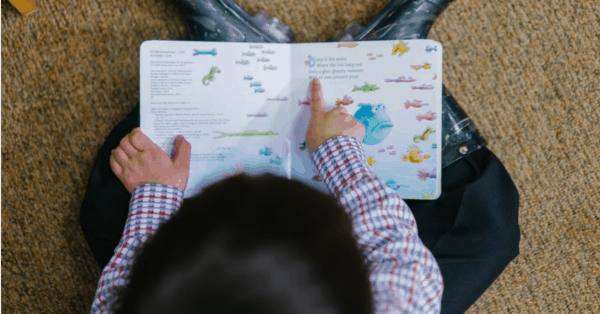
What can you do as a parent of a struggling reader?
First, I love these books about reading: The Read Aloud Handbook by Jim Trelease and The Read Aloud Family by Sarah MacKenzie (seriously, read them both: amazing!). This advice is supported by these experts and more.
1. The very VERY best way to inspire a love of reading in your children AND give them a head start toward reading proficiency (even if they have medical or health difficulties) is this: Read aloud to your children from babyhood through early elementary, every day! Even if you didn't start when they were babies, start now.
Children who are read to as babies and toddlers are taught reading is a pleasure! They also learn vocabulary, expression, sentence structure, and more. The educational benefits of being read to are profound.
2. Guard your own attitudes about reading. Let's face it, what we enjoy, often our children enjoy. Even if you're not a reader yourself, keep the tone positive about reading, and provide opportunities for your children to hear reading and learn to enjoy it themselves.
3. Celebrate the small accomplishments. When they read a sign, recognize a letter, or remember a vocabulary word, celebrate that. When children's efforts to read are recognized, they are more likely to keep reading.
4. The right book is the one they want to read. Is your child into snakes, and you'd rather they read history? Do they love graphic novels and you want less pictures? Do they regularly pick books that are "too hard" just because their friends are reading it? All of these are ok. When we support the topics and types of books a struggling reader wants to engage with, they are more likely to keep engaging. And that book that is too hard? Offer to read it out loud with them so they don't get overwhelmed by words they aren't ready for.
Need more?
Check out our literacy tips here.
Curriculum Reviews of popular reading programs here.
Check out our Homeschool History Books lists here.
Strong readers become strong writers. Read more about that here!