
Finding writing inspiration can happen anywhere and at any time, and having a personalized writer’s notebook can make the process more fun and engaging. Follow along for the steps and benefits to having your own writer’s notebook.
This process can work for middle schoolers just getting into creative writing all the way through to adults, who may be just jumping into journaling and figuring out the writing process.

Setting up a writer’s notebook can be a crucial part for creating your own stories, so please don’t skip this step! If you don’t want to use paper, check out the digital writer’s notebook post for information on how to do this project digitally.
One of my favorite writing mentors, Ralph Fletcher, says about writing:
“There is no secret. But there is a process. If you like to write, there are definite steps you can take to help you reach your goals.” (How Writers Work, 3) (Affiliate link)
Setting up a notebook is just the first step in creating and expanding on what is in your mind. Once you are done, check out the other posts in this series on writing tips, finding ideas, and more! I invite you to walk with me through this writing process and apply it to yourself or your student at home or school.
Creating a writer’s notebook means you’ll always be equipped to capture and write your own stories. For middle school and teen writers, a writer’s notebook can work as a bridge between structured writing assignments and creative writing, where they learn to find their own voice.
But, before we get too far along, let’s talk about what the personalized writer’s notebook is NOT!
It is not:
- A diary. No obligation to write your daily excitement or boredom
- An assignment with structured themes and topics
- High pressure, or even for anyone else’s eyes!
The personalized writer’s notebook is for you to get in the practice of writing. Write your thoughts, your dreams, your observations, your story ideas, a random conversation … anything goes! It is a collection of ideas, not the execution of them. This book gives you permission to think like a writer, not like a student. For some inspiration, check out these handwritten journals by Herman Melville, who wrote Moby Dick.
Fletcher says, “I think of my notebook as a net with holes so tiny that no idea can slip through.” (How Writers Work, 13)
Getting the materials for a Personalized Writer’s Notebook
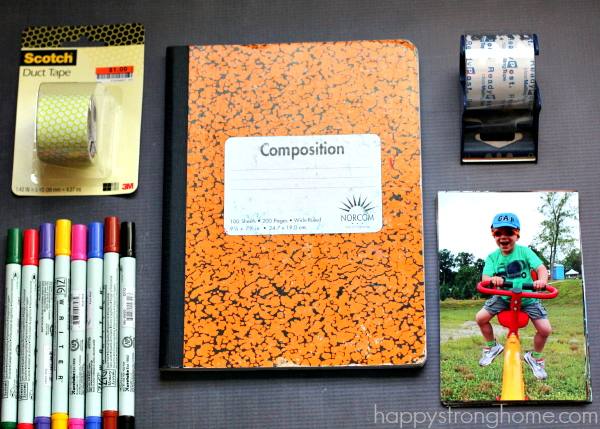

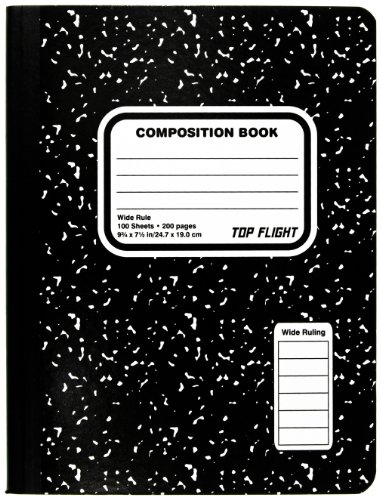
Backpack-tested by millions of students, the marbled Composition Notebook is the best option for this writer’s notebook. It’s sturdy with stitched binding, and lots and lots of wide-margin pages. Don’t use spiral bound notebooks. The spirals bend and break and the pages easily tear out.
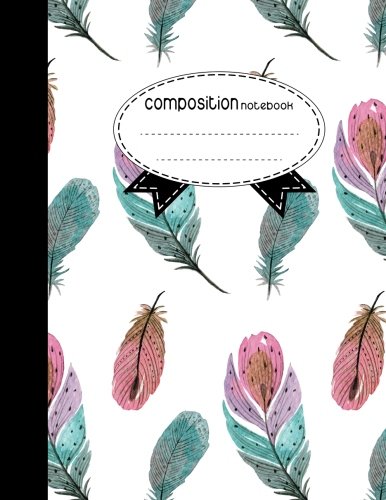
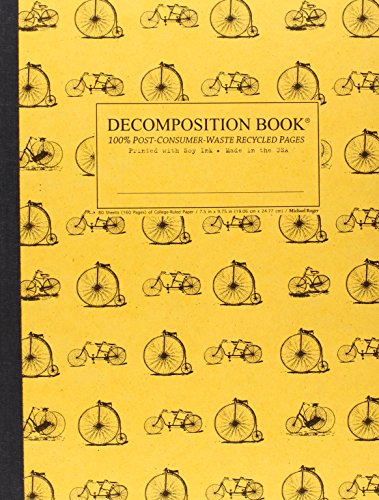
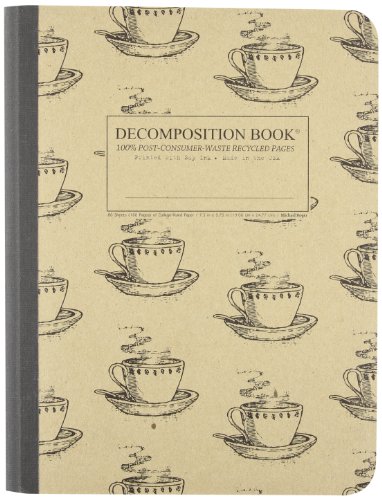
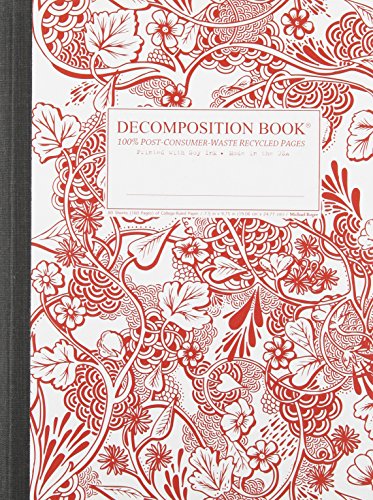
As a middle school writing teacher for five years, and homeschool mom to two boys, I have seen marble composition notebooks survive elementary and middle school boys, when their spiral bound and 3-ring binders did not! If you need something pretty, there are gorgeous composition notebooks out there! I especially like these Decomposition Notebooks that are made from recycled paper – aren’t the covers lovely (although…I’m going to give you a writing prompt strategy that covers them, so consider before you buy!).

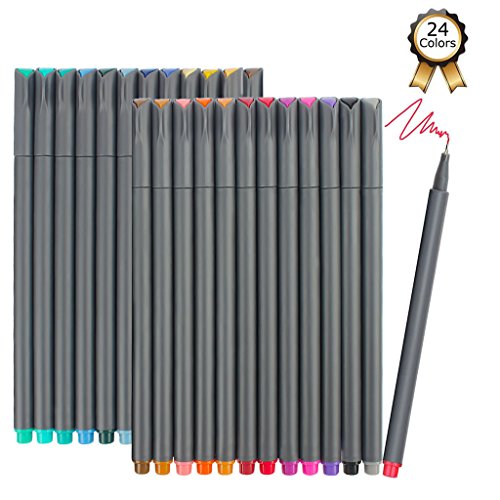
Next, get a stash of great pens. I recommend blue or black. Or… you can go with a fun set of colorful pens! Teens and middle grade students may prefer a variety of colors for writing and doodling. (if you’re using markers like me just be sure they’re the scrapbooking ones that don’t bleed through the pages – I like Zig writers).


I do not recommend using a pencil. Pencil smudges more easily, can be hard to read if it writes lightly, and is too easy to erase. In addition, part of my philosophy of keeping a writing notebook is that we never erase. Crossing out is okay, because at least you can trace your path back if you need to, but once you erase… it’s gone. This is for brain dumping, not brain revising. All thoughts and words are welcome!
But I’m getting ahead of myself! Keep reading to see what’s next!
Create an Index in Your Writer’s Notebook
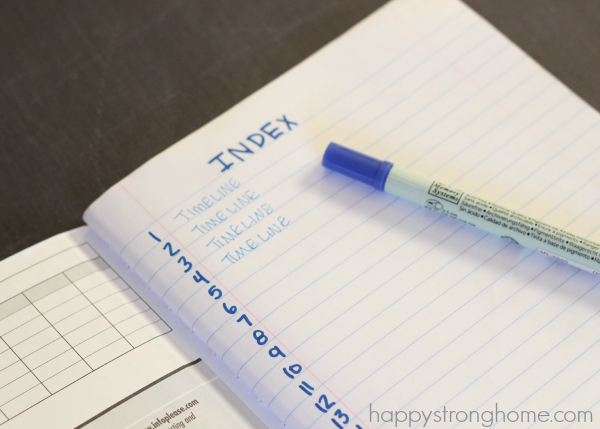

The first two pages, I set aside for my index. There are 100 sheets (200 pages) in a Composition Notebook, so two pages is enough to record each sheet. I either don’t use the backs of sheets, or I use them to continue what is on the front, so I only number the sheets, not the pages.
Why create an index? Because as you progress further into your writer’s notebook, you may have so much content, you forget where you put that list of funny things your best friend said while playing baseball. With the index, you’ll be able to find it quickly. The index gets filled in when you come up with ideas, not beforehand. For example, if on page 120 you came up with a some inspiration for a poem about fish, you go to your index and write page 120: Fish Poem. Once your notebook is full, you don’t have to thumb through the entire thing to find what you want.
I number the first ten sheets or so, and then just keep up as I go.
Decorate Your Writer’s Notebook
Oh, now the fun part! Find some decorations for the front and back cover of your writer’s notebook. Decorations that visualize you, your life, and have meaning for you. Here’s a few ideas:
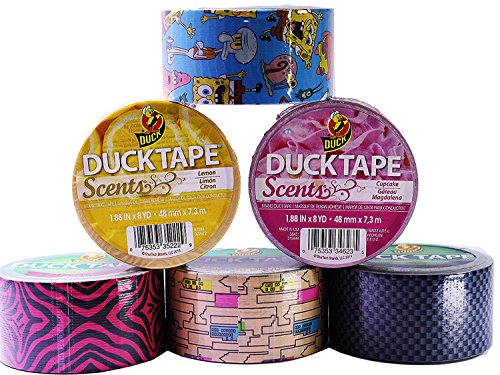
- Pretty duct tape – I always tape the spine for added reinforcement.
- Scrapbook paper – I lay down a background of patterned paper, so that I will never have any bare spots!
- Photos – generally of the topics you hope to write about
- Magazine cuttings
- Words that define you
- Quotes that inspire you!
- Stickers
- Alphabet letters – spell your name, your kids’ names, words that are important to you
- Fortune cookie fortunes
- Tickets from plays, sports games, events
Don’t worry about filling up the entire notebook at once. I just laid down a few items on the front and cut up some words about mothers (from an extra print out I had of my DIY Gift for Mom idea!). As I go, I’ll add more decorations to the book, and perhaps even write about a few.
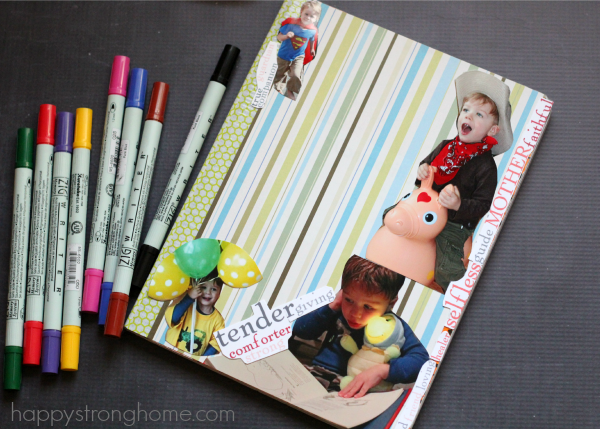

Doesn’t that just change everything? It makes me want to get started writing!
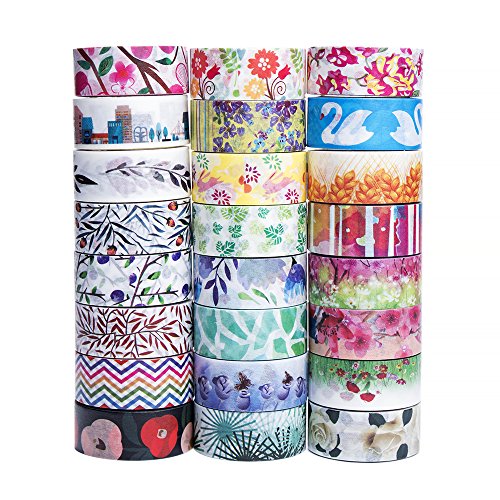
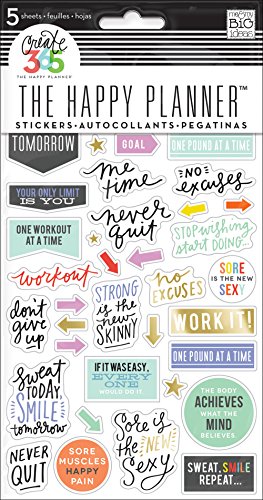
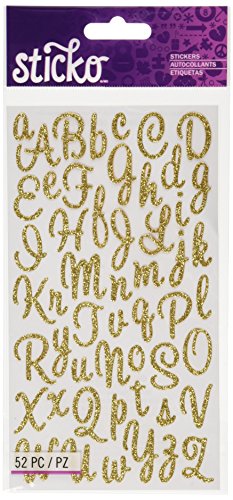
Your decorations are all seed ideas to help you generate a piece of writing! So again, be sure your decorations really speak to you as a writer! I have notebooks that depict travel and hobbies, while others are more personal. If you want to make different notebooks for different topics, that is okay too. Set up as many as you need to! Here’s some great decorating ideas for you to get started:
To make things simple, here is your checklist:
- Procure a writer’s notebook.
- Stock up on pens.
- Create an index (which for now will likely be nothing but the first two pages set aside and numbered 1-100 (use front and back).
- Decorate your notebook (at least a little).
Now that your notebook is ready… Let’s start Writing!

Disclosure: Affiliate links have been used in this post. Purchases made after clicking the links may generate a small commission for me. All opinions are my own.


Pandora
Tuesday 21st of April 2020
Love this! I never actually write an index, but it seems like such a simple idea that I completely overlooked. I think the organisation is my main issue, I have so many notebooks that even they need and index! :)
Create An Editorial Calendar For Your Blog - The Frangipani Creative
Monday 23rd of September 2019
[…] usually note down ideas as they occur to me into my writer’s notebook (I created one like this). Then I transfer them online using on to Evernote, to which I also have saved […]
🖋 Writing Links Round Up 6/17-6-21 – B. Shaun Smith
Monday 24th of June 2019
[…] SETTING UP A WRITER’S NOTEBOOK […]
Elizabeth
Tuesday 24th of July 2018
This is terrific! Thank you for sharing. Happy writing!
Brenda Williams
Friday 21st of September 2018
I really enjoyed reading about the notebook great ideas
Vanessa
Wednesday 21st of March 2018
Very refreshing to have a realistic simple approach to writing. Sometimes we dwell more on the fancies and miss the practicalities - this is why I personally appreciate this approach.