Okay, stop. On a Monday morning I’m throwing out words like Onomatopoeia? Oh yeah, because today, we’re going to get your kids exploring poetry with onomatopoeia! Say it with me: ON-oh-MAH-no-PEE-ah! (yes, the “t” is pronounced very much in the back of the throat so it sounds more like a muted “n” sound.)

Exploring poetry with Onomatopoeia!
What is Onomatopoeia? It is a huge – and often unpronounceable – word that means: words that imitate or suggest the source of the sound being described.
For example:
- Choo-choo imitates the sound of a train.
- Beep imitates the sound of a car horn.
- Moo imitates the sound a cow makes.
- Whirr suggests the sound of a fan.
And so on. Although it can be a fine line, try not to confuse Onomatopoeia words with a word that just states the fact a sound was made. As in, “laugh” – sure, a laugh IS a sound, but the words that imitate the SOUND of laughing are, “ha ha ha!“
Many times onomatopoeia words are completely made up, like spelling out a scraping noise as “sccrrettt.” Other times people have used the sound word so much, it’s become an “actual word,” as in the case of animal noises like “cluck,” “peep,” and “meow.”
A popular example of an onomatopoeia poem is “The Bells” by Edgar Allen Poe:
How they clang, and clash, and roar!
What a horror they outpour
On the bosom of the palpitating air!
Cartoons and comics are also a great place to find examples of onomatopoeia with words like “Kaboom, Blam, Boom!” I love sound-play with my children because it’s so easy for kids, you can do it anywhere, and kids loooooove to make up silly sounds.
Onomatopoeia Activities
Try these onomatopoeia activities with your child to get them excited about playing around with words and the sounds they make. You can also check out our post on games you can play to introduce more poetry concepts.
1. Bring illustrations in picture books to life:
As you look at picture book, take advantage of the photos / illustrations to ask your child what sound each object makes:
guitars strum
drums parum-parum or dum-DUM
a toaster dings
an alarm clock brrrrrrings!
2. Play sound games in the car!
As you drive, make the sound of something you drive by, and see if your child can find the object:
beep, honk, vroom, vroom!
3. Listen for nature sounds
Take a nature walk, specifically listening for things that make sounds – once you get into the woods a bit, do a “quick quiet” – 30 seconds of stillness so the sounds of the forest really stand out:
rustle, shhh, crack, sccrrrch
4. Make your own sounds with household objects
Play with kitchen tools that make different kinds of sounds:
clink, bang, ding, bam
5. Sing Silly Songs
So many kids songs make use of onomatopoeia for humorous effect! “Old MacDonald Had a Farm” is a classic! “Wheels on the Bus” has a few examples as well.
6. Make a visual of their sound creations!
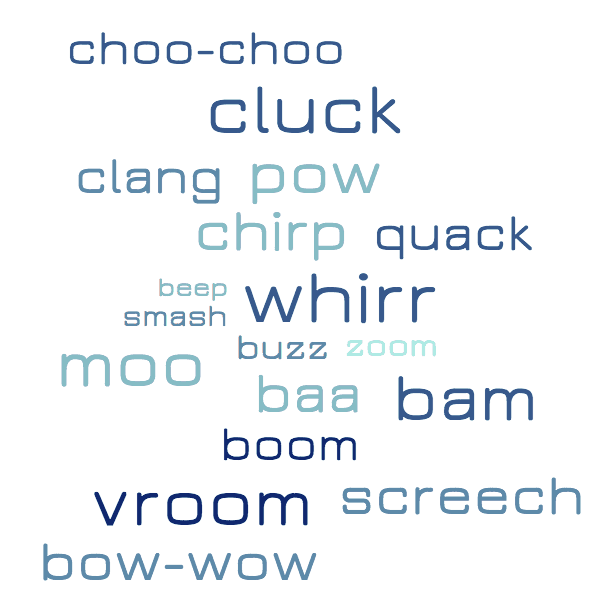

Create a word cloud like the one above to print or share using Word It Out! This could be a “published” piece for their writing portolfio, or maybe frame and hang it up as wall art!
NOW Make an Onomatopoeia Sound Poem!
Now that you have a collection of silly sound words, Create a silly sound poem. Try a farm poem, a construction site poem, or a sitting by a stream poem – all these locations are full of sounds. Or did you collect a lot of kitchen sounds? Try a kitchen poem. See how many of the sounds you have come up with doing all the activities above, can be used in one poem. In one stanza? In one line?
Older children may be able to rhyme sounds as well, which adds another layer to their poem.
Here is an example of a simple poem using sounds on a hike:
Crunch, crunch, my shoes hit the leaves
Snap, snap, a branch breaks
Buzz, buzz, I hear the bees
Shh, Shh, is that the slither of a snake?
Poetry is highly auditory. Its musical language is intended for reading out loud and listening to! Poetry with onomatopoeia teaches children to use their five senses to explore and understand the world! Feel free to also check out my onomatopoeia poem about my boys!
Celebrate poetry and onomatopoeia this week, by trying one or more of these onomatopoeia activities with your kids and make some silly poems!

How else would you use sounds in word-play games for children?
You may also enjoy these poetry posts:
Shop for onomatopoeia books & gear!
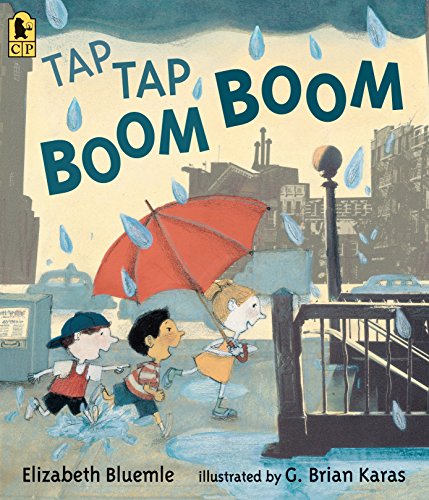
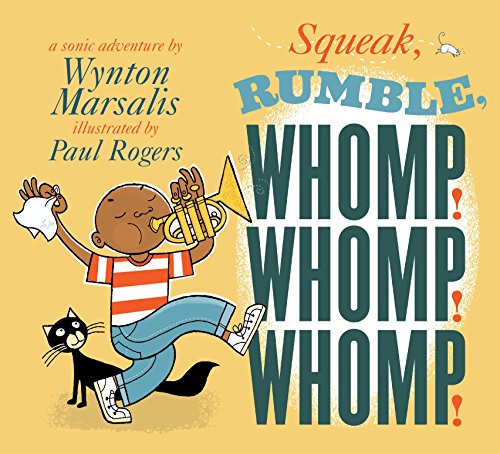
Tap Tap Boom BoomSqueak, Rumble, Whomp! Whomp! Whomp!: A Sonic Adventure
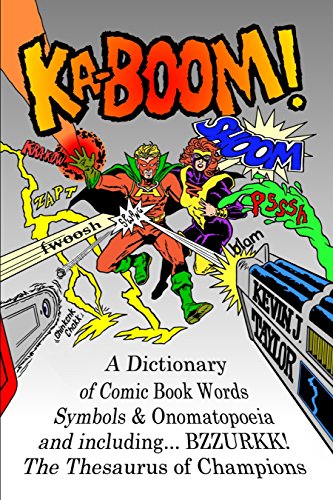
KA-BOOM!: A Dictionary of Comic Book Words, Symbols & Onomatopoeia
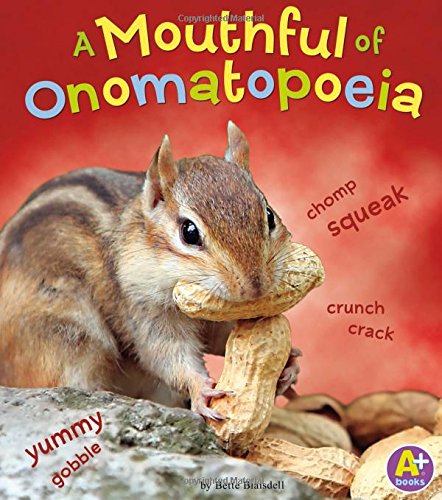
A Mouthful of Onomatopoeia (Words I Know)
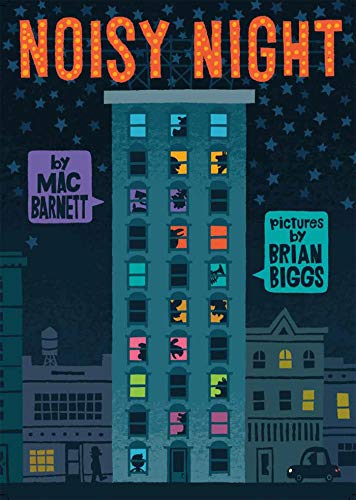
Noisy Night
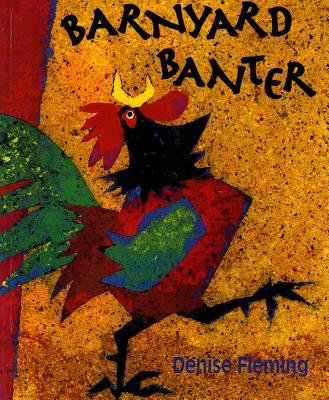
Barnyard Banter
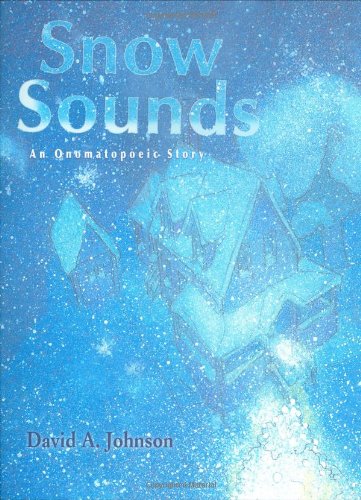
Snow Sounds: An Onomatopoeic Story
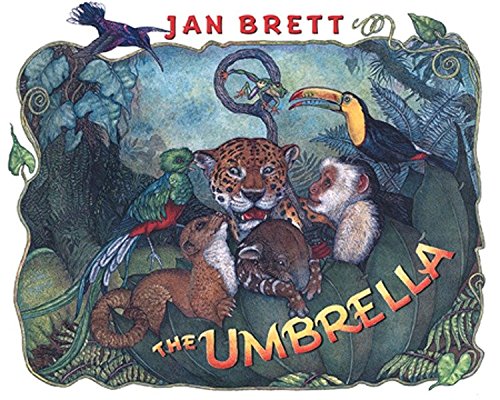
The Umbrella
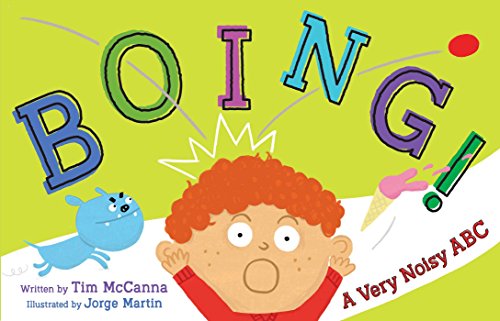
Boing!: A Very Noisy ABC
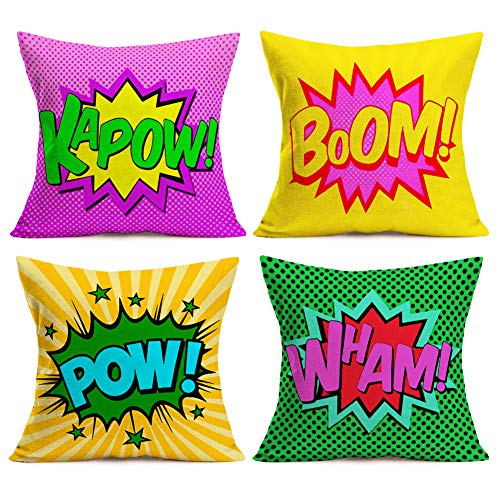
4 Comic Book Saying Words Pillow Covers
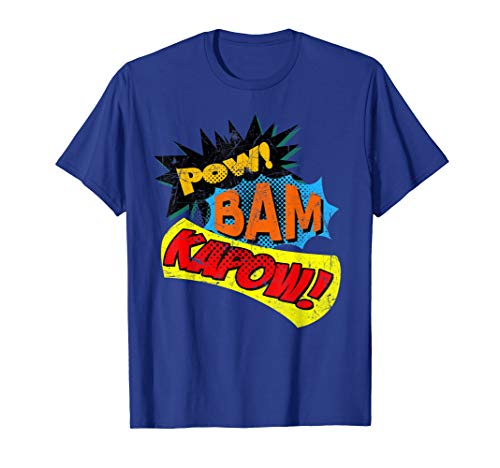
Pow! Bam! Kapow! Comic Book Sound Effect T-Shirt
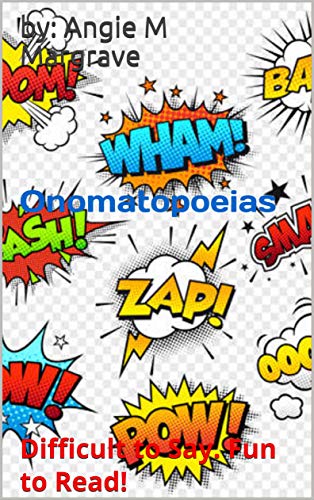
Onomatopoeias: Difficult to Say. Fun to Read!
Funny Onomatopoeia T-Shirt
POW Comic book onomatopoeia Bookmark
We are a participant in the Amazon Services LLC Associates Program, an affiliate advertising program designed to provide a means for us to earn fees by linking to Amazon.com and affiliated sites. We may earn from qualifying purchases


T Rex Mom
Monday 23rd of April 2012
Check out In the Rain with Baby Duck - "Pit-pat-pita-pat-pita-pita-pat..." My kids do enjoy this one. Or Penguin and Little Blue with the "hoot, hoot, hoot".